Fertility & IVF
Egg Donation (Ovodonation) IVF in Colombia: What to Know
Who Uses Donor Eggs?
Egg donation, also called ovodonation, is a form of in vitro fertilization in which the eggs come from a healthy, screened donor rather than from the intended mother. The resulting embryo is then transferred to the recipient's uterus, so she can carry and give birth to the baby herself. For many people, it is the step that finally makes parenthood possible after other paths have not worked.
There are several reasons someone may turn to donor eggs. The most common is advanced maternal age: as women reach their late thirties and forties, both the number and the quality of their eggs decline naturally, which lowers the chance of conceiving with their own eggs. Diminished ovarian reserve, where the ovaries hold fewer eggs than expected for a given age, can have the same effect even in younger women.
Donor eggs are also an option for women with premature ovarian failure (early menopause), for those who have lost ovarian function after cancer treatment or surgery, and in some cases where there is a serious genetic condition that a parent does not wish to pass on. Increasingly, donor eggs help same-sex male couples and single men build families with the help of a gestational carrier, and they give single women and others flexible routes to parenthood. If you are still weighing your options, our overview of fertility treatment in Colombia explains the broader range of services available.
How Donor-Egg IVF Works
Donor-egg IVF follows a clear, well-established sequence, and understanding each stage takes much of the uncertainty out of the journey. The first step is donor selection and matching. Working with the clinic, you review the available donor profiles and are matched with a donor whose characteristics, such as physical features and blood type, align with your wishes. The clinic guides this process so it feels supported rather than overwhelming.
Next comes synchronization. Because the donor and the recipient are two different people, their cycles must be coordinated so the recipient's uterus is ready to receive an embryo at the same time the donor's eggs are retrieved. This is managed with medication. The donor takes a short course of hormones to stimulate her ovaries to mature several eggs, while the recipient's uterine lining is prepared with estrogen and progesterone.
Once the donor's eggs are mature, they are collected in a brief retrieval procedure and fertilized in the laboratory with sperm from your partner or from a sperm donor, often using a precise technique called ICSI. The fertilized eggs develop into embryos over several days under careful observation. Finally, one carefully selected embryo is placed into the recipient's uterus in a simple, quick transfer that usually needs no anesthesia. Any remaining good-quality embryos can be frozen for future attempts. To understand how chances of success relate to age, see our guide to IVF success rates by age.
Donor Screening and Quality
The safety and seriousness of an egg donation program rest on careful donor screening, and this is one of the most important things to ask about. Reputable clinics accept only a small fraction of women who apply to become donors, after a thorough evaluation designed to protect both the donor and the future child.
Medical screening typically includes a detailed personal and family health history, a physical examination, hormone and ovarian-reserve testing, and screening for infectious diseases. Genetic screening is also a standard part of responsible practice: donors are commonly tested for carrier status of inherited conditions so that matches can be made thoughtfully. Many programs also include a psychological assessment to confirm the donor understands and is comfortable with the process.
Donors are generally young and healthy, which is one reason donor-egg cycles tend to offer encouraging outcomes for recipients of many ages. Rather than focusing on any single statistic, the more useful question is whether the clinic follows rigorous, internationally recognized screening protocols. HealthBridge works only with established fertility centers and board-certified fertility specialists, and our coordinator helps you ask the right questions and understand the answers. You can learn more about how we work on the HealthBridge home page.
Why Colombia for Assisted Reproduction
Colombia has become a recognized destination for assisted reproduction, including treatments that involve egg donation, which are generally permitted within the country's medical framework. Medellin in particular combines experienced fertility specialists, modern laboratories and a welcoming environment for international patients, all of which make it a practical choice for treatment abroad.
Regulations and practices around donation vary from country to country and can change over time, so rather than quoting specific rules, the responsible approach is to work with a reputable clinic that operates transparently and within local norms. During your consultation, the fertility team will explain exactly how their donation program works, including how donors are screened and matched and what to expect at each stage.
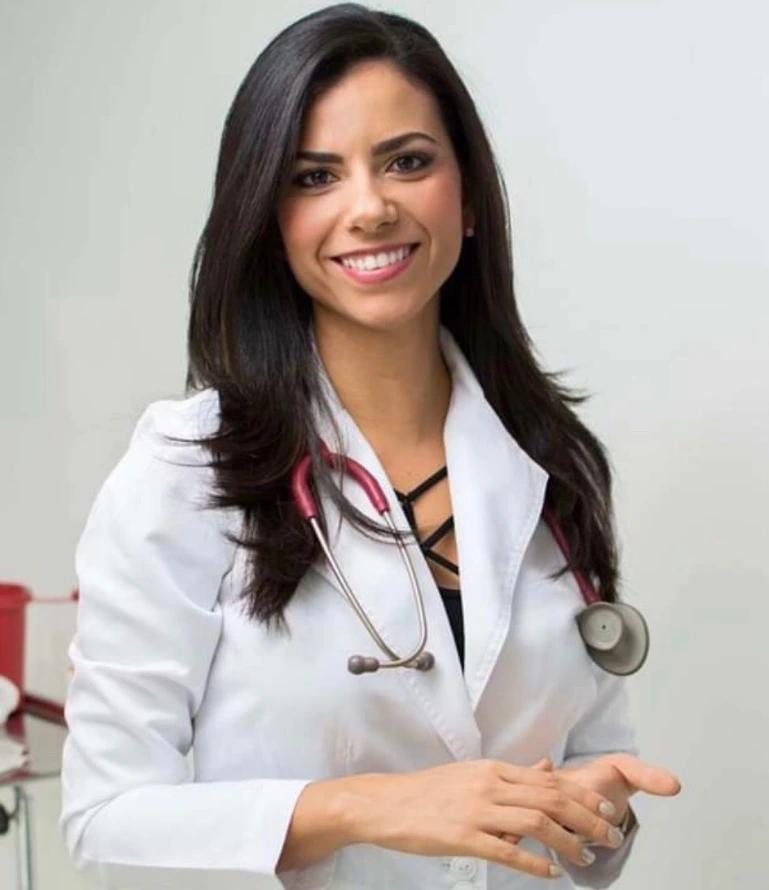
As a facilitator, HealthBridge is not a clinic. We connect you with established fertility centers and board-certified specialists, help you compare your options, and coordinate the logistics so your focus stays on your family-building journey. Dra. Olga Gonzalez serves as our medical director and coordinator, guiding you in clear, plain language and making sure your questions are answered before you commit to anything.
Cost and Travel Timeline
Cost is one of the strongest reasons people consider donor-egg IVF in Colombia. In the United States, a single donor-egg cycle frequently runs well into the tens of thousands of dollars once donor compensation, agency fees, medication and clinic charges are added together. In Colombia, donor-egg IVF commonly ranges from about $7,000 to $9,000 USD, with the final figure depending on the clinic, the specifics of your treatment plan and any additional services such as genetic testing of embryos.
That difference reflects lower operating and living costs in Colombia, not lower standards of care. As with any medical treatment abroad, the key is to obtain a clear, itemized quote so you know exactly what is included. HealthBridge helps you request transparent estimates that spell out the donor program, laboratory work, fertilization, the embryo transfer and follow-up, so there are no surprises. For a closer look at pricing for standard cycles, see our article on IVF cost in Colombia.
On the timeline, donor-egg IVF involves coordination between two cycles, so part of the preparation can be handled remotely before you travel. Many recipients make a single focused trip to Medellin around the time of the embryo transfer, though the exact plan depends on the clinic's protocol and whether you use a fresh or frozen transfer. Your coordinator will map out the schedule with you in advance, so you can arrange time off work and travel with confidence.
The Emotional Side and Bilingual Support
Choosing donor eggs is a deeply personal decision, and it is normal to feel a mix of hope, grief, relief and uncertainty along the way. Many people need time to come to terms with not having a genetic link to their child, while also discovering that the bond of pregnancy, birth and parenting is what truly defines family. There is no single right way to feel, and taking the time you need is part of a healthy process.
These emotions deserve real support, not just logistics. Talking openly with your partner, connecting with others who have walked this path, and considering counseling can all help you move forward with clarity and peace. Good clinics treat the emotional side of treatment as seriously as the medical side, and a thoughtful program will never rush you into a decision.
Doing all of this in a second language can add an extra layer of stress, which is why bilingual support matters so much. HealthBridge offers guidance in both English and Spanish, so nothing is lost in translation when it comes to consent, medical explanations or your own questions and feelings. From your first conversation through the transfer and aftercare, our team and Dra. Olga Gonzalez accompany you with sensitivity, honesty and respect.
Donor-egg IVF is not the right choice for everyone, and it is not a guarantee. But for many people it opens a genuine, hopeful path to becoming a parent, supported by experienced specialists and caring coordination. The most important step is choosing a team you trust to be transparent with you at every stage.
Considering fertility & ivf in Colombia?
See the procedure, pricing and the process for international patients on our Fertility Treatment & IVF.