Plastic Surgery
Liposuction vs Lipo 360 in Colombia: What's the Difference?
What Is Traditional Liposuction?
Liposuction is one of the most requested body-contouring procedures in the world. It removes stubborn pockets of fat that resist diet and exercise by inserting a thin tube called a cannula through tiny incisions and gently suctioning the fat away. The aim is not weight loss but a smoother, more proportionate shape in areas where fat tends to collect.
Traditional liposuction is usually targeted. A patient might address the lower abdomen, the inner thighs, the chin or the arms, focusing on one zone or a small number of zones in a single session. This precise approach works well when there is a specific area you want refined rather than a full-body reshaping. Modern techniques, including tumescent and ultrasound- or laser-assisted methods, help the surgeon work more gently and improve smoothness.
Because fat cells removed during liposuction do not grow back, the results are long lasting as long as your weight stays stable. It is important to understand that liposuction does not tighten loose skin; if skin laxity is significant, a surgeon may suggest combining it with a skin-tightening procedure. If you are still mapping out your options, our overview of plastic surgery in Colombia explains the wider range of body and facial procedures available.
What Is Lipo 360 and How Is It Different?
Lipo 360, sometimes called circumferential liposuction, is liposuction performed all the way around the midsection rather than in a single spot. In one coordinated procedure the surgeon treats the entire abdomen, both flanks or love handles, and the lower and upper back. The result is a continuous, balanced contour seen from every angle, which is why the name refers to a full 360-degree treatment.
The key difference is scope. Traditional liposuction sculpts a defined area, while Lipo 360 reshapes the whole trunk so the waist, back rolls and stomach flow together harmoniously. For many patients this produces a more dramatic and natural-looking improvement than treating the abdomen alone, because untreated areas can otherwise look disproportionate next to a newly slimmed belly.
A related, more advanced option is high-definition liposculpture, in which the surgeon removes fat selectively to reveal the underlying muscle structure, creating defined contours such as a flatter, more athletic abdomen. This technique demands considerable artistry and experience, and it is best discussed in a thorough consultation where the surgeon evaluates your anatomy and goals. To learn how HealthBridge coordinates these consultations, visit the HealthBridge home page.
Are You a Good Candidate?
Both liposuction and Lipo 360 are contouring procedures, not weight-loss surgeries, so the best results go to patients who are already close to their goal weight. If you are within a reasonable range of your ideal weight and simply struggling with localized fat that will not budge, you are likely a strong candidate. Patients with a large amount of weight to lose are usually advised to reach a stable weight first.
Skin elasticity matters a great deal, especially for Lipo 360. When fat is removed, the skin needs to retract and conform to the new contour. Younger patients and those with firm, elastic skin tend to see the smoothest results. If your skin is significantly loose, perhaps after major weight loss or pregnancy, your surgeon may recommend pairing liposuction with a skin-tightening or excision procedure for a better outcome.
Good general health is essential. Conditions such as poorly controlled diabetes, heart disease or clotting disorders raise surgical risk and must be discussed honestly during your evaluation. Being a non-smoker is important, since nicotine restricts blood flow and slows healing, so surgeons typically ask patients to stop smoking for several weeks before and after surgery. Finally, realistic expectations help ensure you are happy with a refined, natural result rather than an unattainable ideal.
Combining With Fat Transfer, BBL or a Tummy Tuck
One advantage of liposuction is that the fat removed can be purified and reused. In a Brazilian Butt Lift (BBL), the surgeon harvests fat through liposuction, often using a Lipo 360 approach, and transfers it to the buttocks to add volume and improve shape. Combining the two means the slimming of the waist and back enhances the curve of a fuller backside, producing a balanced hourglass silhouette. Because the BBL carries specific safety considerations, we cover them in detail in our BBL safety guide.
Liposuction and Lipo 360 are also frequently combined with a tummy tuck (abdominoplasty). While liposuction removes fat, it does not remove excess skin or repair separated abdominal muscles. A tummy tuck addresses both, so pairing the two can deliver a flatter, firmer midsection for patients who have loose skin in addition to stubborn fat, a combination especially common after pregnancy. Many of these elements come together in a mommy makeover.
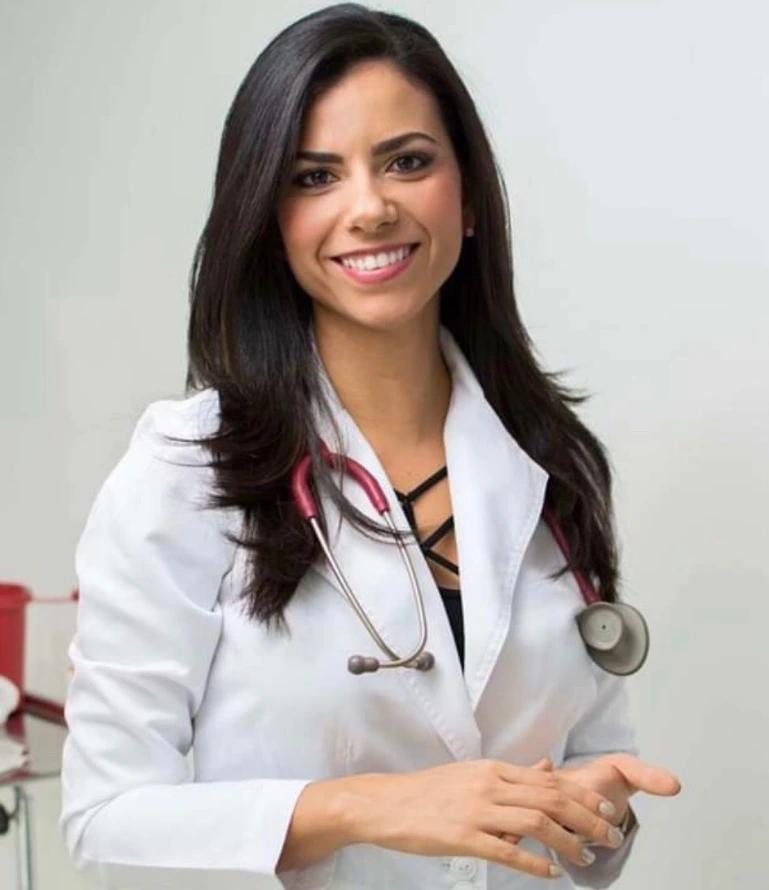
Whether to combine procedures and how to sequence them safely is a decision your surgeon makes based on your health, the total operating time and the scope of work. A responsible surgeon will sometimes recommend staging procedures across more than one session to keep your surgery safe. HealthBridge works only with surgeons who prioritize safety over volume, and Dra. Olga Gonzalez, our medical director and coordinator, helps you understand the plan in plain language.
Results, Longevity and Cost in Colombia
The fat cells removed during liposuction or Lipo 360 are gone permanently, so the results can last for years. The important caveat is weight stability: if you gain a significant amount of weight afterward, the remaining fat cells throughout your body can enlarge and change your contour. Patients who maintain a steady weight with balanced eating and regular activity tend to enjoy long-lasting results.
Cost is one of the strongest reasons international patients choose Colombia. In the United States, liposuction and especially Lipo 360 can run several times higher than in Colombia. In Medellin, traditional liposuction starts around $3,500 USD and Lipo 360 from about $4,500 USD, with the final figure depending on the number of areas treated, whether high-definition technique is used and any procedures combined with it. The savings come from lower operating and living costs, not from lower medical standards.
Many surgeons in Medellin are certified by the Colombian Society of Plastic Surgery (SCCP) and trained to international protocols, working in modern accredited clinics. When you compare quotes, look at what each includes: a transparent estimate should cover the surgeon's fee, anesthesia, the facility, your compression garment and follow-up visits. HealthBridge helps you obtain clear, itemized quotes so there are no surprises.
Your Stay, Recovery and Safety in Medellin
Plan to spend between 7 and 10 days in Medellin. Your first day or two are devoted to consultation, lab work and a pre-operative evaluation with the surgeon and a board-certified anesthesiologist. Surgery follows, and the remaining days allow for the early follow-up care that is so important before you travel home.
Recovery from liposuction is gradual. You will wear a compression garment day and night for several weeks to reduce swelling, support the tissues and help your new contour settle, and this is even more important after Lipo 360, which treats a larger area. Lymphatic drainage massage, a gentle specialized technique, is a routine part of recovery in Colombia; it helps reduce fluid buildup and speed healing, and several sessions are usually scheduled during your stay. Expect bruising and swelling that resolve over weeks, with your final shape emerging over the following months.
Surgeons generally advise waiting about 7 to 10 days before flying to lower the risk of blood clots and to confirm your healing is on track. Gentle walking is encouraged early to support circulation, but you should avoid strenuous activity and exercise for several weeks. Most patients return to desk work within one to two weeks.
Safety ultimately comes down to trust. HealthBridge connects you only with surgeons certified by the Colombian Society of Plastic Surgery (SCCP), operating in accredited clinics with a dedicated, board-certified anesthesiologist present for your procedure. We are a facilitator, not a clinic: we coordinate consultations, credential vetting, logistics and aftercare so you can focus on your recovery, supported in plain language by Dra. Olga Gonzalez at every step.
Considering plastic surgery in Colombia?
See the procedure, pricing and the process for international patients on our Plastic Surgery & Aesthetic Medicine.